What Is a Digital Epitaph?
Discover what a digital epitaph is, how it differs from a traditional inscription, and why more families are choosing online epitaphs to honour and remember loved ones.
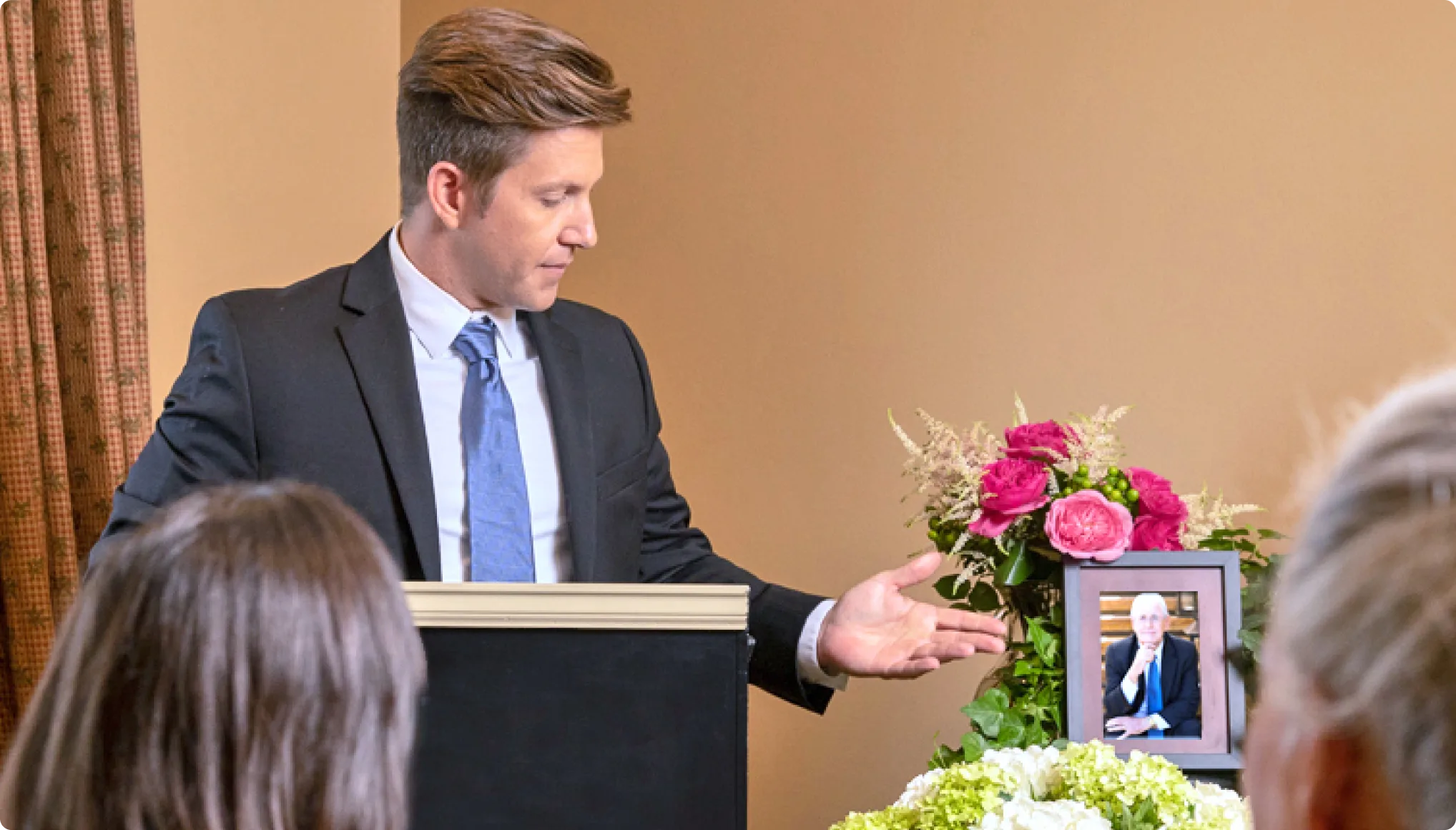
For centuries, epitaphs have served a simple but profound purpose — to mark the life of someone who has passed with a few carefully chosen words carved into stone. But as our lives increasingly span both the physical and digital worlds, the way we remember people is evolving too.
A digital epitaph takes that timeless tradition and extends it into a richer, more lasting form. It is an online tribute that preserves not just a name and a pair of dates, but the full story of a life.
The Traditional Epitaph
A traditional epitaph is the short inscription on a headstone or memorial plaque. It might include the person’s name, their dates of birth and death, and a brief phrase or verse — “Beloved Mother”, “Forever in Our Hearts”, or a line from a favourite poem.
These inscriptions are beautiful in their simplicity, but they are constrained by the physical space available. A few words on stone can only hint at who someone truly was.
What Makes a Digital Epitaph Different?
A digital epitaph is an online memorial page dedicated to someone who has passed away. Unlike a headstone inscription, it has no character limit and no physical boundaries. It can include:
- A full biography telling the story of their life, from childhood to their later years
- Photographs and videos capturing the moments that mattered most
- A timeline of key events — milestones, achievements, and the quiet chapters in between
- Family connections showing how they fit into a wider story across generations
- Tributes from loved ones — memories, anecdotes, and messages from family and friends
Where a traditional epitaph offers a glimpse, a digital epitaph paints the whole picture.
The Benefits of Going Digital
There are several practical reasons why families are turning to digital epitaphs alongside — or sometimes instead of — traditional inscriptions.
Accessibility from anywhere. A digital epitaph can be visited by family members who live across the country or on the other side of the world. There is no need to travel to a specific cemetery to feel connected to someone’s memory.
Multimedia storytelling. Text alone cannot always do justice to a person’s life. A digital epitaph can hold photographs from every decade, video clips of celebrations, and even audio recordings of their voice — the kinds of details that bring someone vividly back to life.
Easy to share. A simple link allows you to share someone’s memorial with friends, extended family, or anyone who knew them. This is especially valuable when organising funerals, gathering tributes, or simply ensuring that people who cared are kept informed.
Updateable over time. A headstone inscription is permanent from the day it is carved. A digital epitaph, by contrast, can grow. New photographs can be added, fresh memories can be contributed by family members, and the page can evolve as the years pass — becoming a living archive rather than a fixed statement.
The Emotional Value
Beyond the practical advantages, there is something deeply meaningful about preserving a person’s story in this way.
Grief does not follow a schedule. Months or years after a loss, you might suddenly want to revisit a photograph, re-read a story, or hear a familiar voice. A digital epitaph gives you a dedicated place to return to — a quiet corner of the internet that belongs entirely to the person you are remembering.
It also serves future generations. Grandchildren and great-grandchildren who never had the chance to meet someone can still learn who they were, what they valued, and how they lived. Without these records, family stories tend to fade within two or three generations — a topic we explore in more depth in preserving family memories for future generations. A digital epitaph helps ensure they endure.
Bridging the Physical and Digital
One of the most compelling developments in this space is the use of QR codes to connect physical memorials with their digital counterparts. A small brass plaque engraved with a QR code can be placed on or near a headstone. When a visitor scans the code with their phone, they are taken directly to the person’s digital epitaph — the full story behind the name on the stone.
This approach does not replace the traditional headstone. It enhances it. The physical memorial remains a place of reflection and remembrance, while the QR code opens a door to everything that a stone inscription cannot contain.
A Modern Way to Remember
A digital epitaph is not a replacement for the traditions that have served us for centuries. It is an extension of them — a way to honour someone’s life with the depth and richness it deserves, while making that tribute accessible to everyone who cares.
If you are considering creating a digital epitaph for someone you love, our step-by-step guide on how to create a digital memorial is a good place to start. MyEpitaph makes it straightforward to build a beautiful, lasting memorial page — with the option of a brass QR code plaque to connect it to their resting place.
For a comprehensive overview of everything covered here and more, see our complete guide to digital memorials.
Create a lasting memorial
Honour someone you love with a beautiful online memorial page — with photos, stories, and a space for family and friends to share their memories.