How to Arrange a Funeral
A step-by-step guide to arranging a funeral — from choosing a funeral director to organising a meaningful tribute.
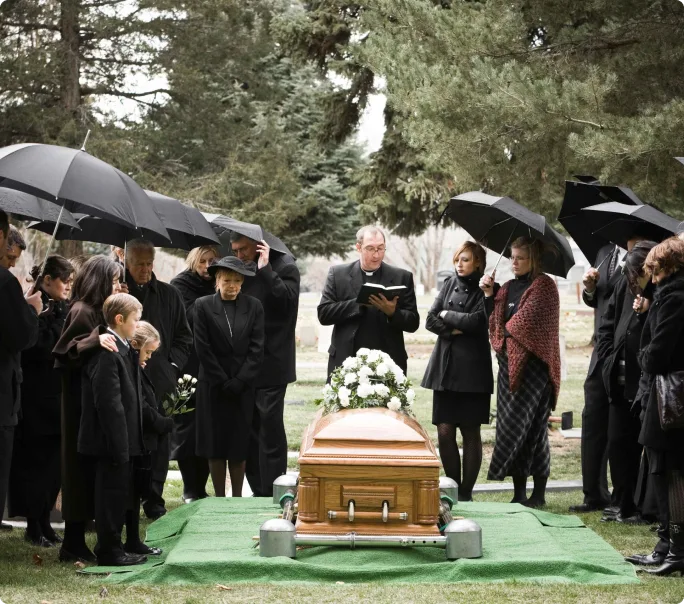
Arranging a funeral may not be an easy task, but with proper planning, you can give your loved one a respectful and meaningful send-off. Here are some steps to help guide you through the process.
Choose a Funeral Director
Hiring a professional funeral director can go a long way in helping you organise and manage the funeral. Seek recommendations, read reviews, and interview multiple directors to find one who aligns with your preferences and budget.
Determine the Type of Service
Funeral ceremonies can be religious, secular, or somewhere in between. Consider the wishes of the deceased person and your family’s beliefs when deciding on the type of service.
Select a Location and Date
Coordinate with the funeral home and religious institution (if applicable) to choose a suitable date and venue for the wake or visitation, funeral service, and burial or cremation. Keep in mind the schedules of important attendees.
Prepare a Budget
Funeral expenses can vary depending on the services you choose. Develop a budget that covers the funeral director’s fee, transportation, casket, embalming, memorial products, flowers, and catering services.
Choose a Casket or Urn
For a traditional burial, you will need to select a casket; for cremation, an urn. Discuss materials, styles, and pricing options with the funeral director to make an informed decision.
Decide on Burial or Cremation
Consider the preferences of the deceased, religious beliefs, and financial constraints. Remember that different locations may have varying regulations and requirements.
Draft an Obituary
Prepare an obituary that includes the deceased’s personal details, important achievements, loving memories, and funeral service details. Submit it to the local newspaper or post it online. For more guidance, see our articles on how to write an obituary and example obituaries.
Select Funeral Service Participants
Identify family members and friends who will be part of the ceremony — pallbearers, eulogists, readers, and officiants. If you are looking for readings, our collection of poems for funerals and memorials may help. Share their contact information with your funeral director.
Make Flower Arrangements
Select meaningful flowers and decide on arrangements for the service, wake, or burial. Work with a florist to design arrangements within your budget.
Organise Post-Funeral Events
Communicate with family members and friends to organise receptions or gatherings in honour of the deceased after the formal funeral services.
Notify Relevant Parties
Inform friends, relatives, and co-workers about the funeral arrangements. Send invitations or make phone calls to ensure they have the necessary details.
Handle Legal Matters
Obtain multiple copies of the death certificate and take care of administrative tasks such as notifying banks, insurance companies, and government agencies.
Prepare a Tribute
Gather photos, videos, and memories to showcase the life of the deceased during the funeral. A tribute can help create a meaningful and comforting atmosphere for grieving loved ones.
With MyEpitaph, you can bring all of these memories together in one place — a lasting online memorial where family and friends can view photos, watch videos, and share their own memories in their own time.
Establish a Support Network
Reach out to your community, friends, and family for support both during and after the funeral process. Grief does not end with the service, and having people around you makes all the difference.
For a comprehensive overview of everything covered here and more, see our complete guide to digital memorials.
Create a lasting memorial
Honour someone you love with a beautiful online memorial page — with photos, stories, and a space for family and friends to share their memories.